
 English
 Español
 русский
 français
 Deutsch
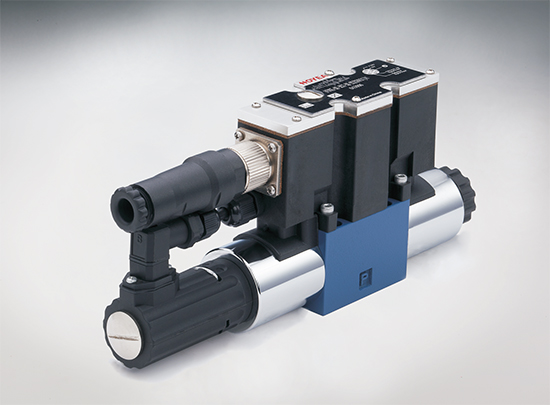
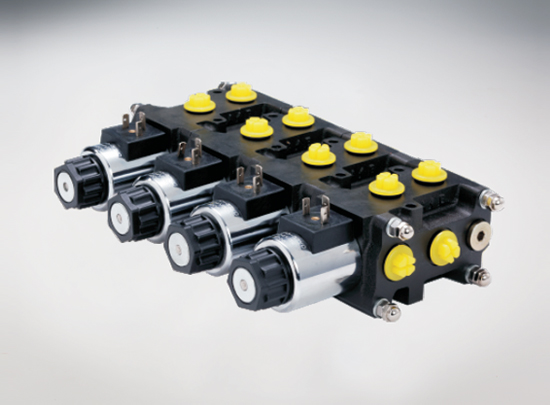
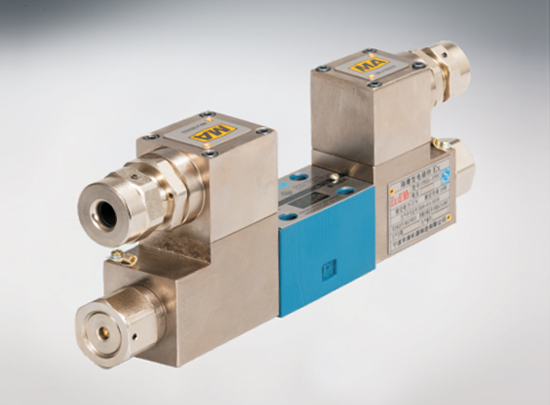
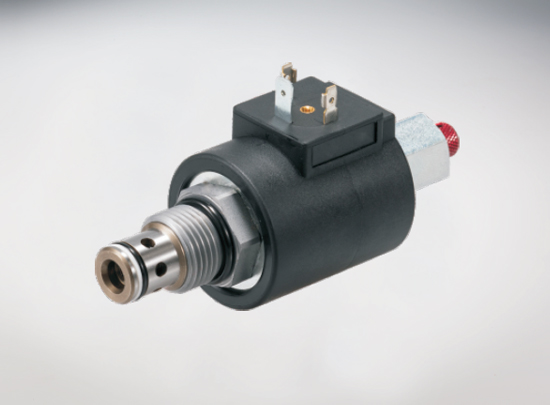

Why Does a Single Pilot-Check Valve Cause a Hydraulic Cylinder to Move Erratically or Chatter
create_time:2026-04-01 author:
When a hydraulic cylinder starts to jerk, chatter, or move in an unstable way, the single pilot-check valve is often part of the problem. Although this valve is designed to hold loads securely, incorrect selection, installation, or system matching can create pressure fluctuations that lead to poor motion control.
One common cause is insufficient pilot pressure. If the pilot line does not deliver stable pressure to fully open the valve, the check element may open and close repeatedly. This “on-off” behavior interrupts oil flow, causing the cylinder to move in short bursts instead of smoothly. Long pilot lines, pressure losses, or shared pilot sources can make this problem worse.
Another factor is mismatch between valve size and flow rate. When the valve is too small for the cylinder’s required flow, it restricts oil movement and amplifies pressure spikes. These rapid pressure changes can create vibration and chatter, especially during lowering or load-holding transitions.
Air in the hydraulic oil is also a hidden contributor. Trapped air compresses and releases under load, magnifying small pressure changes at the pilot-check valve. This results in unstable opening behavior and uneven cylinder movement. Proper bleeding and maintaining oil quality can significantly improve smoothness.
Finally, contamination or wear inside the valve can cause the poppet or seat to stick momentarily. Even minor particles can prevent the valve from opening smoothly, leading to jerky motion. Regular filtration, clean oil, and routine inspection help prevent this issue.
In practice, stable cylinder motion depends on the pilot-check valve working in harmony with system pressure, flow, and cleanliness. Correct valve sizing, reliable pilot pressure, and clean hydraulic fluid are the simplest ways to eliminate erratic movement and chatter.