
 English
 Español
 русский
 français
 Deutsch
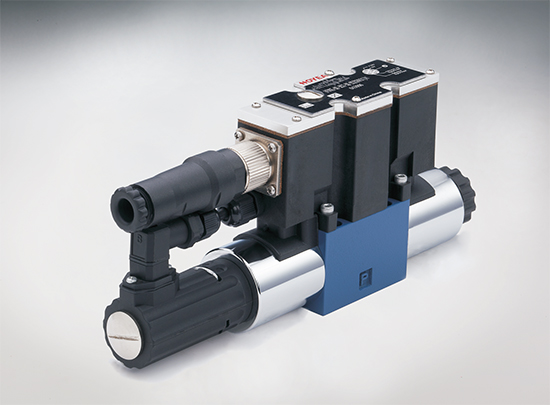
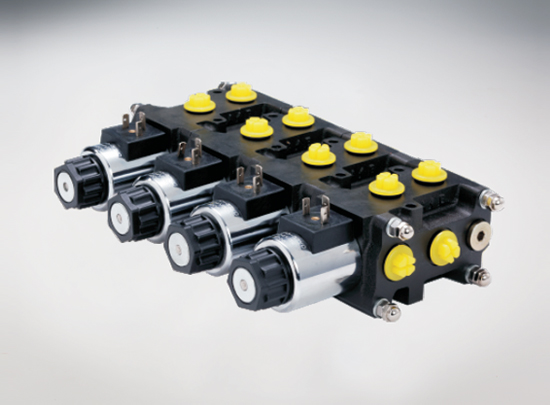
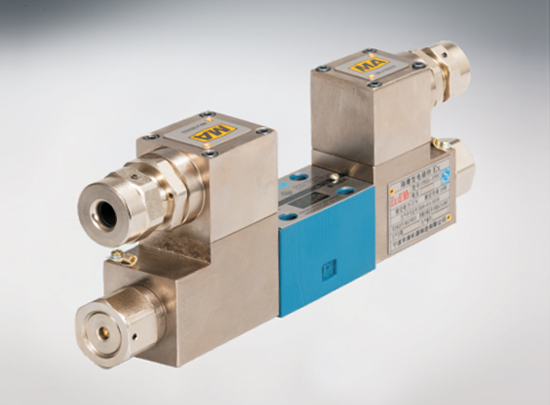
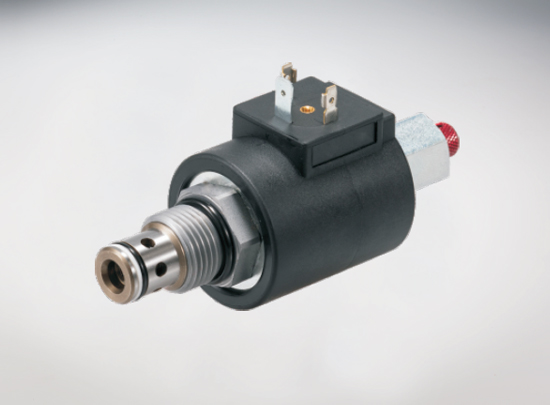
How to Diagnose and Fix a Pilot-Check Valve That Opens Too Slowly or Not at All
create_time:2026-04-08 author:
When a pilot-check valve opens slowly—or refuses to open—the hydraulic actuator may hesitate, stall, or hold a load longer than intended. This issue is usually a sign of pressure imbalance, flow restriction, or internal valve problems. A clear, step-by-step diagnosis can pinpoint the cause and restore smooth operation.
Start by checking pilot pressure at the valve port. If pilot pressure is below the valve’s cracking requirement, the poppet cannot lift fully. Look for pressure drops caused by long pilot lines, undersized fittings, or shared pilot sources feeding multiple components. Shortening lines, upsizing fittings, or supplying a dedicated pilot signal often fixes delayed opening.
Next, inspect for blockages or restrictions in the pilot line. Kinked hoses, clogged orifices, and contaminated fittings can starve the valve of pilot flow, making the opening sluggish. Flushing the line and replacing damaged hoses restores response speed.
Oil condition matters more than many operators realize. Cold or overly viscous fluid slows internal movement inside the valve, especially during startup. If slow opening improves after warm-up, consider using the correct viscosity grade or adding a controlled warm-up cycle to protect responsiveness.
Internal issues are another common culprit. Contamination, varnish buildup, or worn seals can cause the poppet to stick. Removing the valve for cleaning, replacing seals, and verifying spring condition can bring the valve back to spec. If wear is visible on the seat or poppet, replacement is usually more reliable than repair.
Finally, confirm correct valve sizing and orientation. An undersized pilot-check valve or incorrect installation direction increases opening resistance and delays response. Matching the valve’s rated flow and pilot ratio to the cylinder and load ensures predictable, timely opening.
In short, slow or non-opening pilot-check valves are usually fixed by restoring pilot pressure, removing flow restrictions, maintaining clean oil, and using properly sized, correctly installed components. These small corrections can make a big difference in system safety and control.