
 English
 Español
 русский
 français
 Deutsch
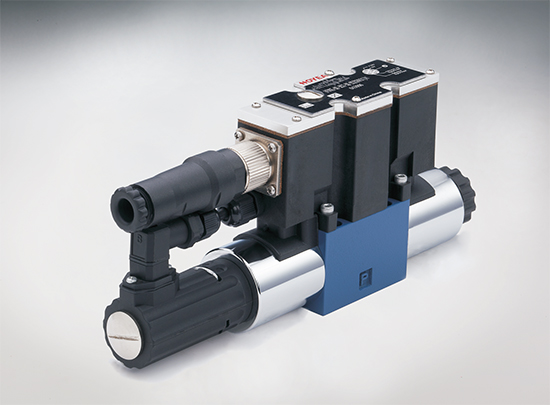
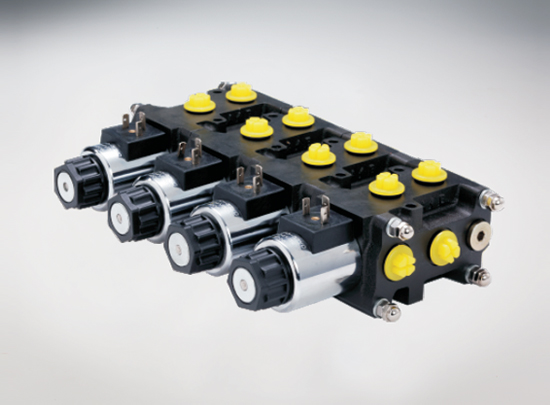
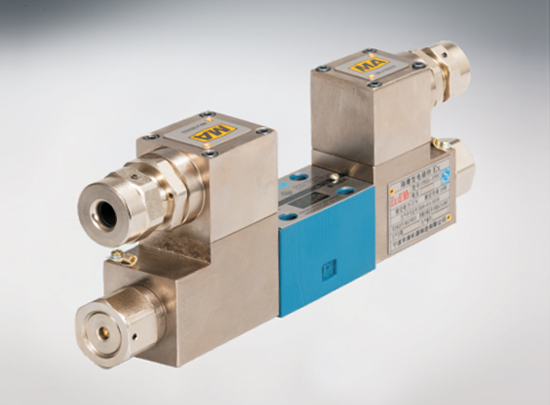
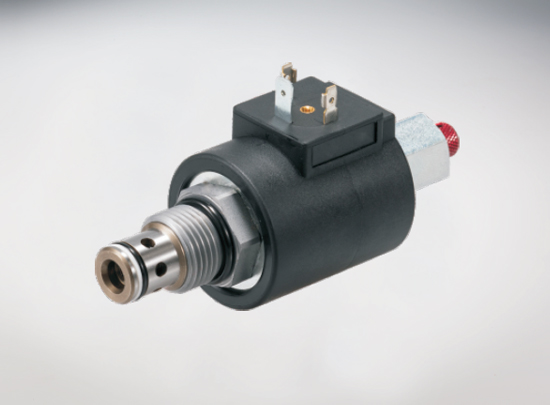
Why does a double pilot-check valve fail to hold load (drift) and how to fix it
create_time:2026-03-11 author:
A double pilot-check valve is designed to lock a hydraulic load in place, but over time you may notice slow movement or “drift.” This usually points to internal leakage or control issues that reduce the valve’s ability to seal under pressure. Below are the most common causes and practical fixes.
Common causes of load drift
-
Seal and poppet wear: Continuous cycling, contaminated oil, or pressure spikes can damage sealing surfaces, allowing oil to bypass internally.
-
Pilot pressure leakage: Cracked pilot lines, loose fittings, or weak pilot pressure can partially open the check valve.
-
Contaminated hydraulic fluid: Fine particles prevent the poppet from fully seating, creating micro-leak paths.
-
Incorrect sizing or installation: A valve that’s undersized or installed backward can struggle to hold load under dynamic conditions.
-
Thermal effects: Oil thinning at high temperatures increases internal leakage, worsening drift.
How to diagnose the problem
-
Pressure decay test: Isolate the circuit and monitor pressure drop over time to confirm internal leakage.
-
Port blocking test: Cap the load ports to determine whether drift comes from the valve or the actuator seals.
-
Pilot line inspection: Check for pressure stability and leaks when the valve should be fully closed.
-
Oil cleanliness check: Inspect filters and sample fluid for contamination.
How to fix and prevent drift
-
Replace worn seals or the valve cartridge if leakage is confirmed.
-
Restore pilot pressure integrity by tightening fittings, replacing hoses, and verifying pilot ratios.
-
Improve filtration and fluid maintenance to keep particles from damaging sealing surfaces.
-
Verify correct sizing and orientation against the load, pressure, and flow requirements.
-
Manage heat with proper cooling and suitable fluid viscosity to maintain sealing performance.
Bottom line:
Load drift in a double pilot-check valve is rarely a mystery - it’s usually leakage, contamination, or pilot control issues. Routine fluid care, correct installation, and timely seal replacement are the simplest ways to keep loads locked securely and systems operating safely.