
 English
 Español
 русский
 français
 Deutsch
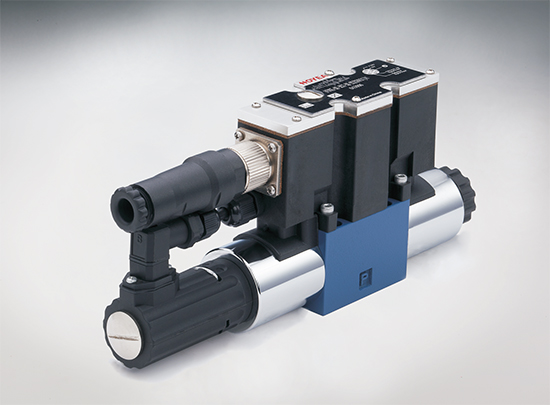
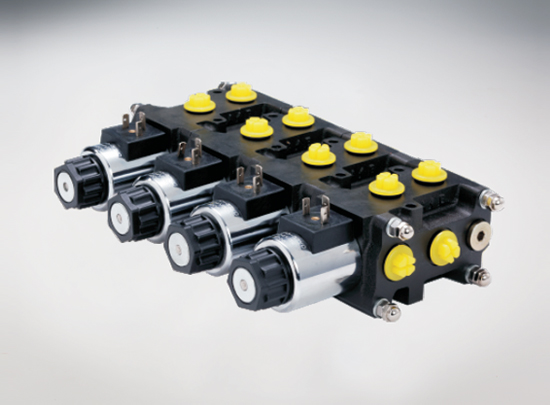
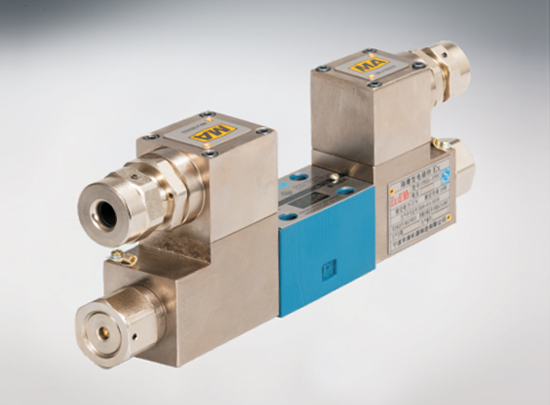
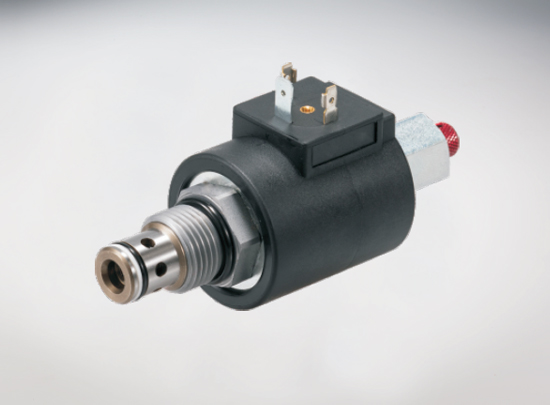
What Causes Internal Leakage in a Directional Control Valve and How to Test for It
create_time:2026-03-04 author:
Internal leakage in a directional control valve reduces system efficiency, causes slow or weak actuator movement, and leads to unstable pressure control. Because the leak happens inside the valve body, it often goes unnoticed until performance drops.
Common Causes of Internal Leakage
The most frequent cause is normal wear of the spool and valve bore. Over time, tight clearances open up, allowing fluid to bypass between ports. Contaminated fluid accelerates this wear, as fine particles score metal surfaces and damage seals.
Seal aging is another factor. Hardened or swollen seals lose their ability to block flow paths. In high-temperature or high-pressure systems, seal degradation happens faster. Poor fluid quality or incorrect fluid types can also attack sealing materials and increase leakage rates.
How to Test for Internal Leakage
One practical method is a pressure-hold test. Isolate the valve, pressurize the circuit, and monitor pressure decay over time. A steady pressure drop without visible external leaks points to internal leakage.
Flow comparison tests are also useful. Measure flow or actuator movement when the valve is in the neutral or closed position. Unexpected motion or flow indicates fluid bypassing internally.
In critical systems, thermal imaging can help identify leakage zones, as internal bypassing often generates localized heat due to energy loss.
Prevention and Maintenance Tips
Maintain clean fluid with proper filtration, replace seals at recommended intervals, and avoid operating outside pressure and temperature limits. Periodic performance checks help detect leakage early before it causes major efficiency losses.
Conclusion
Internal leakage in directional control valves is mainly caused by wear, contamination, and seal degradation. Simple pressure and flow tests can reveal hidden bypassing, allowing timely maintenance to restore system efficiency and reliability.