NEWS
-
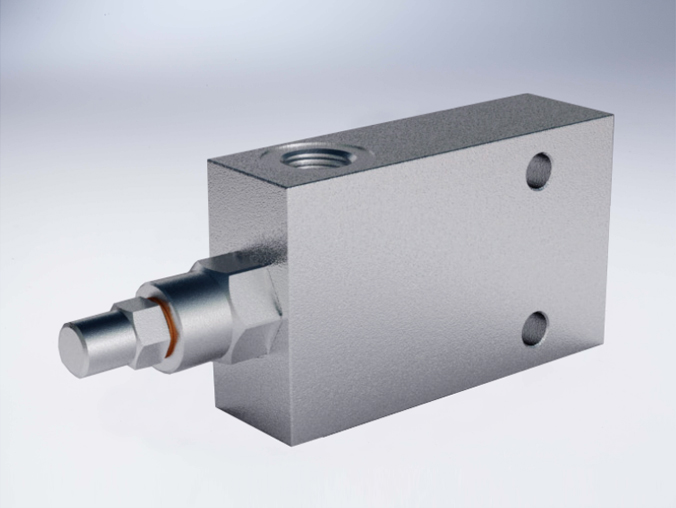
How to Properly Set and Adjust the Cracking Pressure on a Counter-Balance Valve
- A counter-balance valve is critical for safely holding and controlling hydraulic loads, and its cracking pressure—the pressure at which the valve begins to open—must be set accurately. Incorrect adjustment can lead to load drift, jerky motion, or delayed actuator response.
- MORE DETAILS
2026-05-06
-
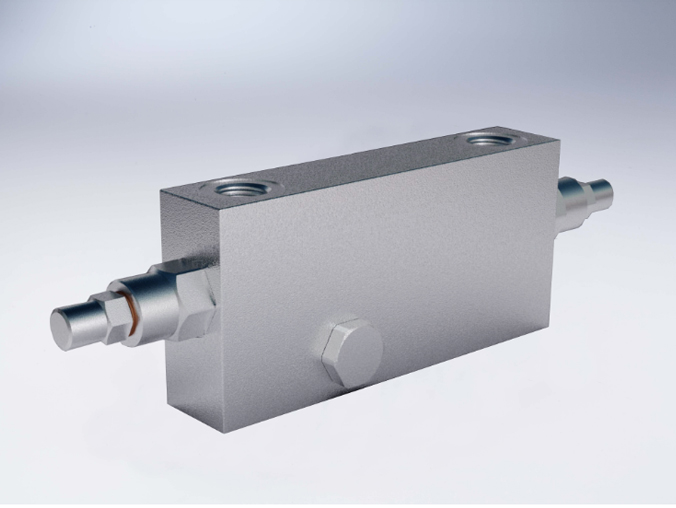
Why Does My Hydraulic Load Drop or Surge Even with a Counter-Balance Valve Installed
- A counter-balance valve is designed to hold loads securely and prevent runaway motion, so sudden drops or surging can feel alarming. When this happens, the problem is usually not the idea of the valve, but how it’s selected, set, or supported by the rest of the hydraulic circuit.
- MORE DETAILS
2026-04-15
-
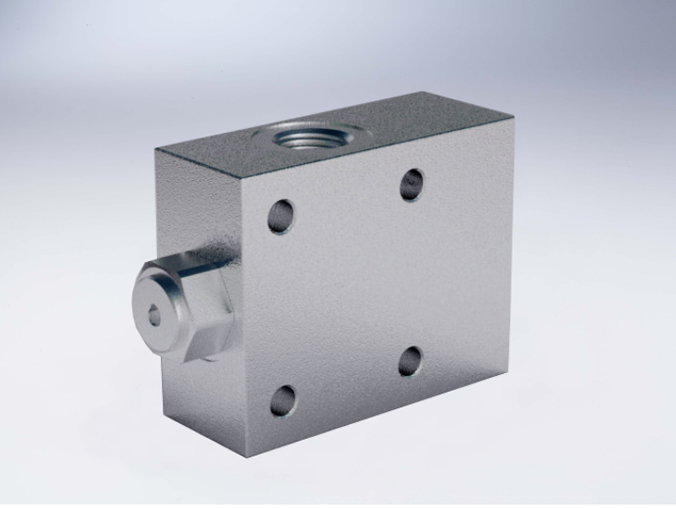
How to Diagnose and Fix a Pilot-Check Valve That Opens Too Slowly or Not at All
- When a pilot-check valve opens slowly—or refuses to open—the hydraulic actuator may hesitate, stall, or hold a load longer than intended. This issue is usually a sign of pressure imbalance, flow restriction, or internal valve problems. A clear, step-by-step diagnosis can pinpoint the cause and restore smooth operation.
- MORE DETAILS
2026-04-08
-
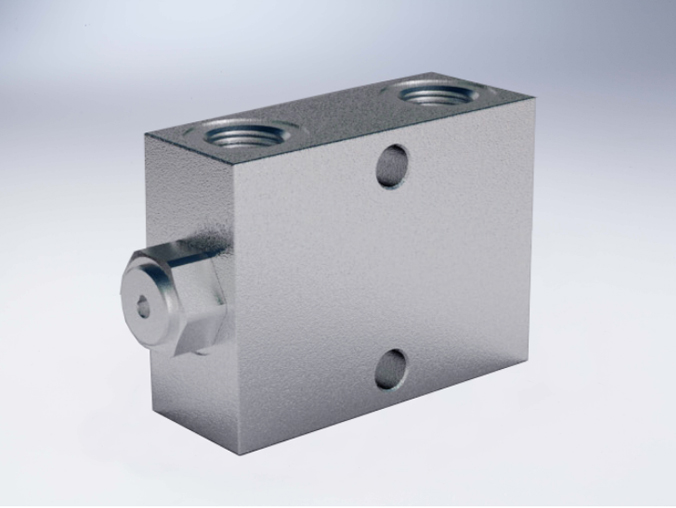
Why Does a Single Pilot-Check Valve Cause a Hydraulic Cylinder to Move Erratically or Chatter
- When a hydraulic cylinder starts to jerk, chatter, or move in an unstable way, the single pilot-check valve is often part of the problem. Although this valve is designed to hold loads securely, incorrect selection, installation, or system matching can create pressure fluctuations that lead to poor motion control.
- MORE DETAILS
2026-04-01
-
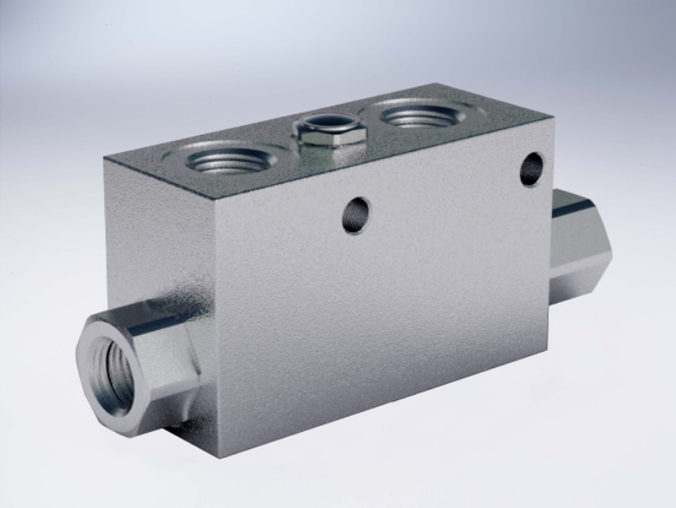
Single Pilot-Check Valve Manufacturer: HOYEA Factory Sets New Standards in Load-Holding Safety
- As hydraulic systems demand higher safety, accuracy, and durability, partnering with a professional single pilot-check valve manufacturer is essential. With its focus on precision manufacturing, consistent quality control, and flexible customization, HOYEA factory continues to strengthen its position as a dependable partner for load-holding valve solutions in global industrial and mobile hydraulic markets.
- MORE DETAILS
2026-03-25

 English
 Español
 русский
 français
 Deutsch