
 English
 Español
 русский
 français
 Deutsch
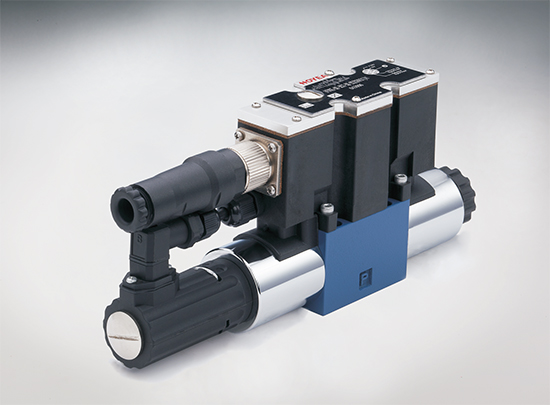
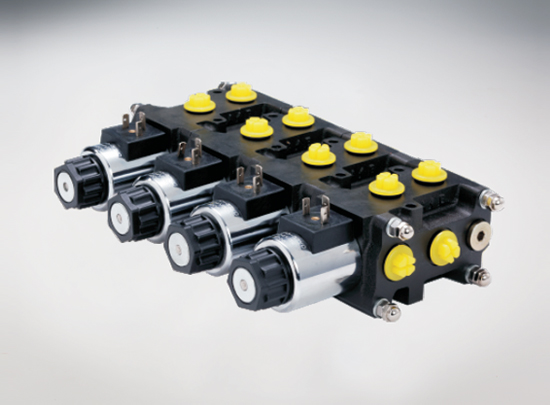
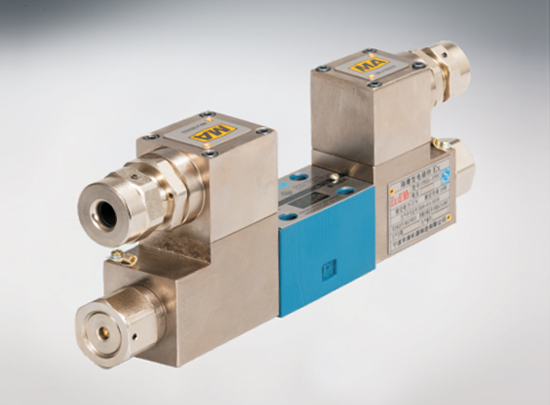
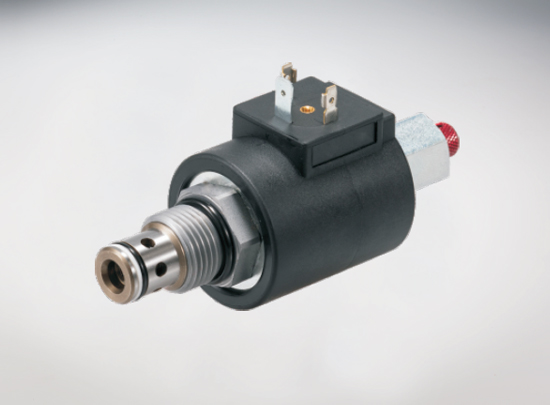
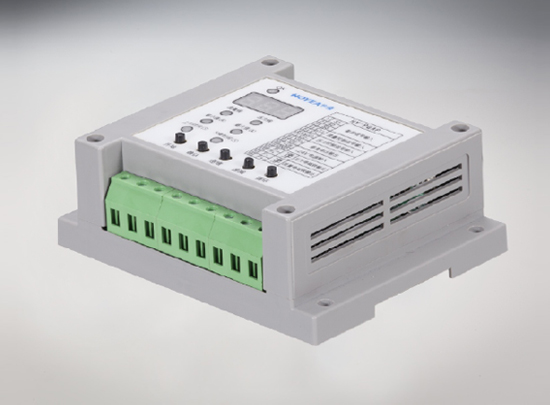
Why Does My Proportional Valve Drift or Fail to Hold Position Accurately
create_time:2026-01-13 author:
Proportional valves are designed for precise flow or pressure control, so drifting or poor position holding can seriously affect system performance. These issues are usually caused by a mix of mechanical wear, contamination, and control signal problems.
Internal Wear and Seal Leakage
Over time, spools, seals, and seats can wear down. Even small internal leaks allow fluid to bypass the control surfaces, causing the valve to slowly drift from its set position. This is common in high-cycle or high-pressure systems.
Contamination in the Hydraulic or Pneumatic System
Fine particles, oil sludge, or moisture can interfere with smooth spool movement. Contaminants increase friction, cause sticking, or prevent the valve from returning to the exact commanded position. Clean fluid and proper filtration are critical for stable performance.
Unstable or Noisy Control Signals
Proportional valves rely on precise electrical input. Fluctuating voltage, poor grounding, or electrical noise can cause the valve to “hunt” or drift. Signal instability often looks like a mechanical problem but originates in the control system.
Temperature and Viscosity Changes
Fluid viscosity changes with temperature. As the system warms up, leakage rates and response characteristics change, which can lead to gradual position drift if the control loop isn’t properly tuned for thermal variation.
Poor Calibration or Control Loop Tuning
If the valve or controller isn’t calibrated correctly, small errors accumulate over time. Incorrect PID tuning in closed-loop systems can cause slow drift, overshoot, or failure to hold position under load.
Conclusion
Proportional valve drift is usually caused by internal wear, contamination, signal instability, or control tuning issues. Regular filtration, electrical checks, and periodic calibration help maintain accurate positioning and stable long-term performance.